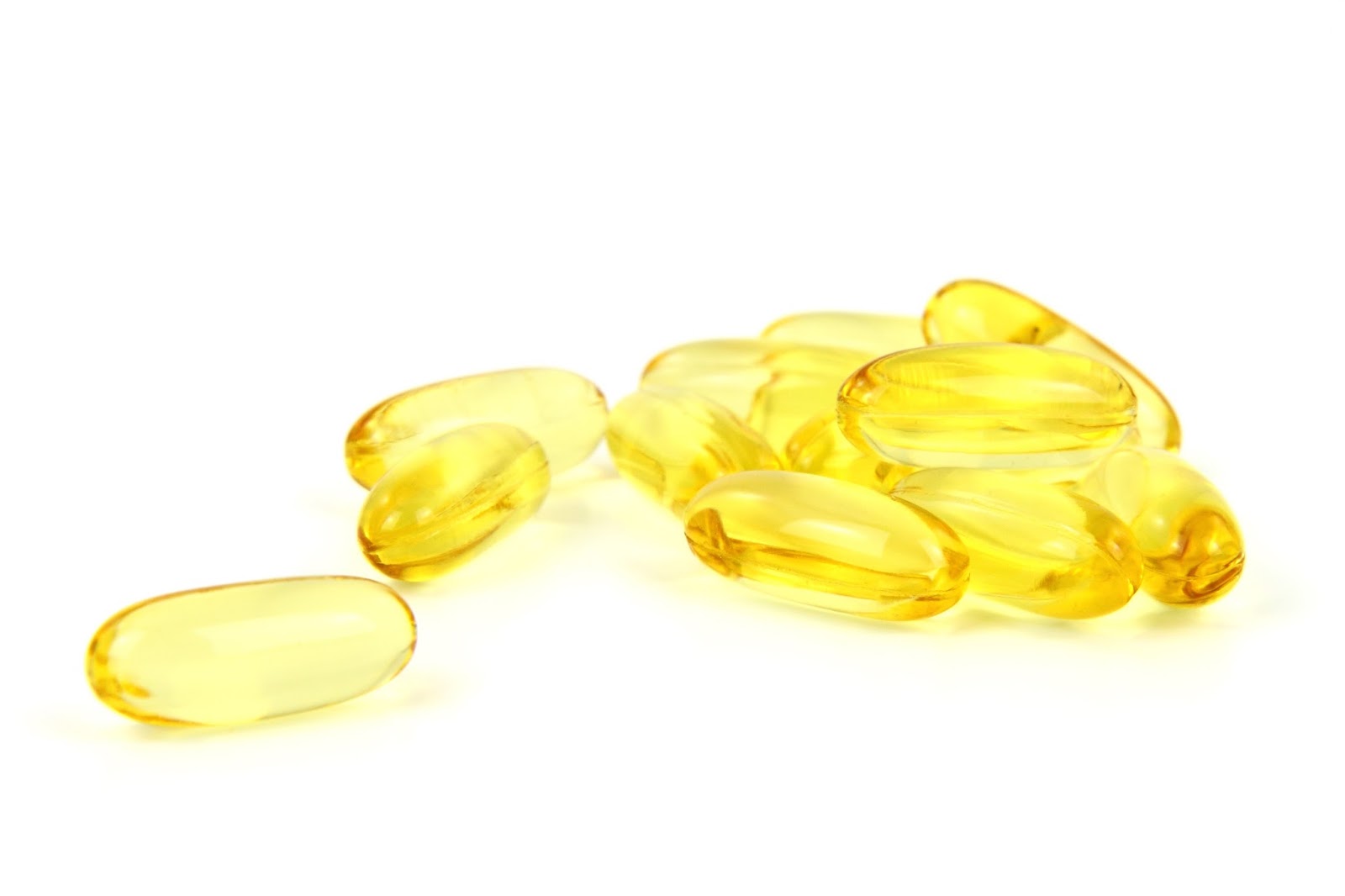
As we had explored in the earlier post, omega-3 is best obtained from wholesome plant foods. Less known are the sources of alpha-linolenic acid (ALA), which is what we will be looking at.
CHIA SEEDS!
 A GREAT SOURCE OF NUTRITION
Contains calcium, phosphorus, manganese, fibre and protein. Also contains antioxidants in the form of flavonol glycosides, chlorogenic acid, caffeic acid, kaempferol, quertin and myricetin -- to fight free radicals and keep our cells young!
A VERY POWERFUL DOSE OF OMEGA-3 FATTY ACIDS
Just
one serving of chia seeds contains 4,915 mg of Omega-3 fatty acids and
1,620 mg of Omega-6 fatty acids. In the beautiful ratio of 3:1 of
Omega-3 vs Omega-6 fatty acids!
HELPS WITH DIGESTION
Rich in fibre which help to cleanse and soothe the colon. Chia seed enzymes aids in digestion.
A GREAT SOURCE OF NUTRITION
Contains calcium, phosphorus, manganese, fibre and protein. Also contains antioxidants in the form of flavonol glycosides, chlorogenic acid, caffeic acid, kaempferol, quertin and myricetin -- to fight free radicals and keep our cells young!
A VERY POWERFUL DOSE OF OMEGA-3 FATTY ACIDS
Just
one serving of chia seeds contains 4,915 mg of Omega-3 fatty acids and
1,620 mg of Omega-6 fatty acids. In the beautiful ratio of 3:1 of
Omega-3 vs Omega-6 fatty acids!
HELPS WITH DIGESTION
Rich in fibre which help to cleanse and soothe the colon. Chia seed enzymes aids in digestion.
ENHANCES CARDIOVASCULAR HEALTH
Chia seed diets can dramatically decrease triglyceride levels and increase HDL ("good") cholesterol. Regular consumption can reduce blood pressure and inflammation.
ANTI-CANCER
Inhibits cancer growth and spread by increasing the infiltration abilities of T-cells (a type of immune cells) and suppressing cancer cell reproduction
 KIWI FRUIT SEEDS!
VERY RICH IN OMEGA-3
Kiwi fruit seeds oil contain 62% ALA, much higher than other sources of ALA.
KIWI FRUIT SEEDS!
VERY RICH IN OMEGA-3
Kiwi fruit seeds oil contain 62% ALA, much higher than other sources of ALA.
PROMOTES GOOD HEART HEALTH
Contains essential fatty acids for making prostaglandins which regulate heart rate, blood pressure and blood clotting. Omega-3 fatty acids helps in reducing arrhythmias, or abnormal heartbeat.
UPKEEPS BRAIN HEALTH
ALA deficiency will affect brain cell membranes which translates to impact on the nervous system. (i.e. decreased learning and memory, decreased perception of pleasure).
WHAT IS THE MOST CONVENIENT WAY TO GET MORE OMEGA-3 FROM WHOLESOME PLANT FOOD?
Formulated according to the principles of Nutritional Immunology, with highest quality ensured by selecting the right species, perfect harvesting time, best processing method.
O-SEED (freeze-dried kiwi fruit seeds and chia seeds) comes with its safety guarantee and provides Omega-3 from wholesome plant food.
O-seed is what I opt to use to nourish my 1 year old boy with more Omega-3 for his brain development. =)
Cheers!
Janice
+65 84998618
Janice@ImmuneSuperFood.com
Share if you find my post useful to you! =)
Omega-3 is an important type of fatty acid which is lacking in our modern diets today. Nevertheless, as an integral part of our human cell membranes, it is needed for many basic functions in our body.
There are 3 types of Omega-3 fatty acids:
- docosahexaenoic acid (DHA)
- eicosapentaenoic acid (EPA)
- alpha-linolenic acid (ALA)
SAFETY OF USE OF FISH OIL SUPPLEMENTS
Fish oil supplements, containing DHA and EPA, are typically sourced from the skin and liver of fish. Have we stopped to think about what the functions of the skin and liver are? Skin is an organ which protects the fish and has direct contact with the external environment. The liver is the primary organ of the toxins handling system of any organism's body. In this light, what do you think is the likelihood that toxins can be found in fish oil? Is it safe for our consumption?
Cancer centers across the US has conducted a study and found Omega-3 fatty acids from fish source linked to a higher risk of protate cancer.
ALTERNATIVE OMEGA-3 SOURCES
Fish oil supplements are usually recommended for its DHA, which is believed to aid in brain development, and EPA, which is for cardiovascular health. However, do you know that our human body can manufacture its own DHA and EPA? All we need to give out body, is Omega-3 in the form of ALA, which can be found in plant foods.
Just think about this for a moment:
For growing children, isn't it that they need more DHA for brain development?
For the elderly, isn't it that they need more EPA for cardiovascular health?
Do we know if the fish oil converted in the fish body will contain more DHA or EPA?
The best solution would then be for us to consume ALA from plant foods, and allow our body to do the conversion on its own!
Stay tuned to my next post to find out more about ALA-rich plant foods!
Cheers!
Janice
+65 84998618
Janice@ImmuneSuperFood.com
Share if you find my post useful to you! =)
Cow’s milk, it is something that we have grown up drinking without a
second thought. Continuous education by advertisements emphasize the
importance of drinking milk for strong bones. It has also formed the
basis of many items in our food culture today – yoghurt, cheese, ice
cream…and the list goes on. With the increasing occurrence of diseases
around us today, have we ever taken a step back and ask ourselves – Is
cow’s milk really good for us?
1) MILK CORRELATES WITH HIGHER OCCURRENCE OF DEATH AND FRACTURES
Despite the high calcium content in milk, there is very little
evidence to show that it helps in building strong bones. In fact, it has
shown a strong correlation to increasing occurrences of osteoporosis. This is mentioned in a study
conducted in Sweden, featured in the British Medical Journal. In this
study, it is reported that men who drank 3 or more glasses a day of milk
had a higher risk of death mostly due to cardiovascular issues compared
to those who drank less than 1 glass a day. For women, those who drank 3
or more glasses a day had a higher risk of fractures and death.
2) MILK CAUSES PREMATURE AGING, INCREASE RISK OF CANCERS
In this study, the researchers also found milk intake to result in
oxidative stress, which is linked to cancer and cardiovascular diseases.
Milk contains D-galactose, which causes inflammation in the body and
induces premature aging. As such, high intakes of milk may also risk of
other cancers such as ovarian cancer and prostate cancers
3) MILK CAUSES CALCIUM LOSS FROM OUR BONES
Milk is also high in animal protein. Animal protein has a very high
level of sulfur-containing amino acids which causes the kidneys to
excrete more calcium, which in turn has to be leeched out from our
bones. Hence, eating animal protein is more likely to cause loss of
calcium from our bones compared to plant protein.
ARE THERE BETTER OPTIONS FOR US?
- Aromantic Powder – for a healthier source of calcium and amino acids.
- Nutrifresh
– for a healthier source of protein for growing children, with basic
vitamins and minerals from 15 types of fruits and vegetables.
Read more about them by clicking on their respective links. =)
Cheers!
Janice
+65 84998618
Janice@ImmuneSuperFood.com
Share if you find my post useful to you! =)

 A GREAT SOURCE OF NUTRITION
 KIWI FRUIT SEEDS!